A Classic Mini does not ask for fancy treatment. It does, however, respond badly to neglected fluid levels, tired rubber, damp carpets and the wrong cleaner used on the wrong surface. The best classic Mini car care products are the ones that help you spot problems early, protect original parts where possible and make routine jobs less of a chore.
For a car with such compact mechanicals, there are plenty of areas worth checking. A small oil leak can quickly coat the underside. A blocked radiator or weak hose can turn a summer queue into an overheating problem. Moisture held beneath floor mats can begin a rust issue long before it is visible from outside. Keeping a sensible kit on the shelf is not about chasing a concours finish every weekend. It is about making regular care quicker, cleaner and more consistent.
Start with the products that protect reliability
Servicing consumables should come before polishes and dressings. The right engine oil, coolant, brake fluid and grease are basic items, but they need to suit the specification of the car rather than simply being the first bottle available.
Most A-series engines benefit from a quality classic or mineral oil of the correct grade, changed at sensible intervals alongside the filter. The exact choice depends on the engine build, its state of tune and how the Mini is used. A standard road car and a modified engine that sees regular hard use may need different oil grades and change intervals. If in doubt, follow the engine builder’s recommendation rather than relying on a universal rule.
Cooling system care deserves equal attention. Use suitable antifreeze and coolant inhibitor at the correct concentration, even if the car only comes out in warmer months. It helps protect internal waterways as well as providing frost protection. Check hoses, clips, radiator condition and the fan belt whenever the bonnet is up. A bottle of premixed coolant is useful for top-ups, but it is not a substitute for finding out why the level has dropped.
Brake fluid should be fresh, correctly specified and kept away from painted surfaces. It absorbs moisture over time, which can reduce braking performance and encourage corrosion inside components. Keep a dedicated bottle for bleeding brakes, sealed between uses, and do not use old fluid that has sat open in the garage.
Cleaning a Classic Mini without creating work
A Mini’s panels, seams and trim reward careful cleaning more than aggressive products. Start with a pH-neutral car shampoo and plenty of clean water. The aim is to lift dirt away, not grind road film into older paint, chrome or delicate decals. A grit guard, soft wash mitt and separate wheel brush make a noticeable difference, particularly if the car is used through wet weather.
Avoid using strong traffic film remover as a default wash product. It can be useful on stubborn grime underneath the car or in wheel arches when properly diluted, but repeated use can dull finishes and strip protection. The same applies to harsh degreasers. They have a place around an oily engine or gearbox, yet should be used carefully around rubber components, painted surfaces and electrical connections.
Drying matters on a Classic Mini because water naturally sits around trims, gutters, door shuts and panel joins. A good microfibre drying towel is far safer than an old chamois, while compressed air or a soft detailing brush can help remove trapped water from badges, seams and around the grille. Open the doors and boot afterwards, wipe the shuts, and do not put the car away wet if you can avoid it.
Paint, chrome and brightwork
For paintwork in good condition, a quality wax or paint sealant adds protection and makes future washing easier. Wax often suits owners who enjoy a traditional finish and frequent maintenance; a modern sealant can last longer and may be the better option for a regularly driven Mini. Neither will hide poor preparation, so remove contamination and apply products to clean, dry paint.
Chrome responds well to a gentle metal polish and soft cloth, but go easy. Over-polishing can wear through thin or ageing plating. If brightwork has pitting, polish can improve its appearance but cannot reverse corrosion. Protecting it after cleaning and keeping moisture out of the garage will achieve more than constant rubbing.
Use a proper glass cleaner on windscreens and side glass, particularly inside the screen where film builds up. Clear glass is a safety item, not just a cosmetic detail. Replace tired wiper blades rather than trying to make them last another season, and keep washer fluid topped up with a suitable screenwash.
Rust prevention is part of car care
The product that saves the most money on a Classic Mini is usually not a polish. It is a cavity wax or corrosion protection treatment applied before rust has taken hold.
Minis have familiar moisture traps: sills, subframes, door bottoms, scuttle areas, rear valance sections, inner wings and floor edges all need attention. After washing, inspect drain holes and make sure they are clear. Dirt and leaf debris hold water against metal, so cleaning the gutter, scuttle and wheel arches is a practical preservation job.
For protected enclosed sections, use a penetrating cavity wax with an application wand where access allows. For exposed undersides, seams and vulnerable areas, a tougher underbody wax or coating is usually more appropriate. The two products do different jobs. Cavity wax creeps into joints and overlaps, while underbody protection needs to withstand water, grit and road spray.
Do not coat over loose rust, flaking underseal or an active leak and assume the job is done. Clean, assess and repair the area first. Fresh protection over a sound surface is worthwhile; covering a rotten seam only makes the eventual repair harder to judge. If a car is being restored, applying protection during assembly, before trim and components go back on, gives much better coverage than trying to reach everything later.
Interior, rubber and trim need the right approach
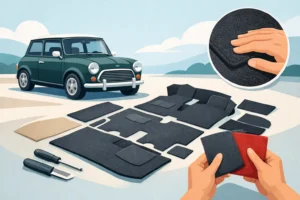
The Mini interior is simple, but it can suffer badly from moisture. Vacuum carpets and seats regularly, lift mats to check the floor condition, and deal with damp before it turns into mildew or corrosion. A fabric cleaner can revive cloth upholstery, while vinyl cleaner and conditioner are better for many original-style seats and door cards. Always test a small hidden area first, especially on older material.
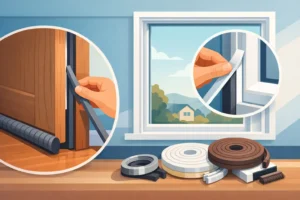
Rubber seals benefit from a silicone-free rubber care product that helps keep them supple and reduces sticking. Do not rely on oily sprays around door seals, pedals or steering wheels. They can leave residue where you least want it. If seals are split, flattened or letting water in, replacement is the real cure.
For interior plastics and the dashboard, choose a low-sheen cleaner or protectant. A glossy finish may look smart in a photograph, but it can reflect badly in the windscreen and make the cabin feel less original. Clean switches and instruments with care, using minimal liquid around electrical parts.
Build a useful Classic Mini car care shelf
A well-chosen selection of products is more valuable than a cupboard full of half-used bottles. For most owners, the essentials are quality shampoo, wheel cleaner suited to the wheel finish, microfibre cloths, glass cleaner, a paint protectant, engine oil, coolant, brake fluid, penetrating oil, copper-based or ceramic assembly grease where appropriate, and rust prevention products.
Add a decent hand cleaner and disposable nitrile gloves if you carry out your own servicing. Small jobs are more pleasant when you can clean up properly, and gloves make it easier to avoid transferring oil and grease onto the steering wheel, paint or interior trim.
There is no single best product for every Mini. A garaged show car needs different protection from a daily-driven car that sees winter salt, while a freshly restored shell requires a more planned corrosion-prevention programme than an original survivor. Buy for the job in front of you, use products as directed and avoid mixing chemicals or applying them to hot surfaces.
Bull Motif Mini Spares can help owners source the servicing parts, replacement seals, cooling components and restoration items that turn regular care into lasting reliability. Keep the car clean enough to inspect, protected enough to use and serviced often enough that the next drive feels like the reason you bought a Mini in the first place.