A Classic Mini can have fresh paint, smart wheels and a strong engine, yet still feel unfinished every time you open the door. The right Mini interior accessories are what turn a collection of panels, seats and switches into a cabin you want to use. They also matter on a practical level: a worn pedal rubber, loose mirror or poor seat belt arrangement can spoil the driving experience far more than most owners expect.
The best approach is not to fill the car with shiny add-ons. Start with the condition and specification of your Mini, then choose parts that improve comfort, usability or the period look you are aiming for. A concours-style Mk1 build needs a different shopping list from a 1990s Rover Mini used for weekend runs and summer shows.
Start with the cabin essentials
Before choosing decorative Mini interior accessories, deal with the items you touch and rely on every journey. Seats, seat runners, seat belts, pedal rubbers, steering components and mirrors should be secure, correctly fitted and in good working order. These are not glamour purchases, but they make the difference between a Mini that looks good in photographs and one that feels right on the road.
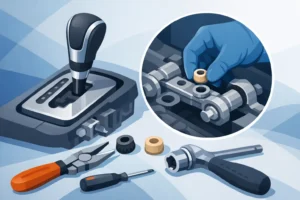
Pedal rubbers are a simple example. If the clutch, brake or accelerator rubber is worn smooth, wet shoes can slip at exactly the wrong moment. A new set is inexpensive, improves grip and makes the pedal box look properly cared for. Likewise, a tired gear lever gaiter or split handbrake gaiter allows the interior to look scruffy even after the seats and carpets have been replaced.
Seat belts deserve particular care. Belt types, stalk lengths, mounting arrangements and trim details vary between Minis, and fitting must use the correct mounting points and hardware. If you are unsure about the existing installation, get it checked by someone who understands Classic Minis. Safety equipment is one area where appearance must never come ahead of correct fitment.
Mini interior accessories for comfort and use
Minis were designed to be compact, light and straightforward. That charm comes with a few compromises, especially if the car is used regularly. Sensible accessories can make a noticeable improvement without taking away the character of the cabin.
Fresh carpets and underlay are often one of the biggest upgrades. Old carpet can hold damp, smell musty and hide corrosion around the floorpan. When the interior is stripped, inspect the floors, seat crossmember and heelboard before fitting anything new. There is little point installing a smart carpet set over wet sound deadening or a floor that needs attention.
Sound insulation is worth considering, but it is a trade-off. Added material can reduce road noise and heat transfer, making longer journeys more pleasant. It also adds weight and may trap moisture if fitted over damp metal or poorly sealed seams. For a road Mini, a carefully prepared layer in key areas can be useful. For a competition-focused car, you may prefer easy access, lower weight and a more purposeful cabin.
A good interior mirror, correctly positioned sun visors and effective door seals also improve day-to-day driving. Small details like these are easy to overlook during a restoration because they are fitted late in the build. Leave them until the last minute and they can become the parts that delay the first proper drive.
Keep storage simple
There is not much spare space in a Mini, so storage accessories need to earn their place. Door pockets, parcel shelves and compact glovebox arrangements can be useful for maps, paperwork and the odd essential, but avoid overloading them. A heavy parcel shelf full of loose tools is not ideal in a small car, particularly under hard braking.
For a regularly used Mini, keep a small, secure kit with basic fuses, bulbs where applicable, a cloth and a few hand tools. The rest is better carried in the boot or left at home. A tidy interior is safer, quieter and much easier to enjoy.
Match the trim to your Mini’s era
Classic Minis changed substantially over their long production run. Dash layouts, switchgear, door furniture, seat styles, steering wheels and interior colours all vary. That means a part that physically fits may not necessarily look correct for the car.
An early Mini may suit a simple painted dash, period-style pull switches, slim door furniture and restrained trim. Later cars can carry a fuller fascia, different instruments, moulded door cards and more substantial seats. Rover-era Minis often have their own specific trim combinations, so it pays to check the model year and current specification before ordering.
This does not mean every Mini must be restored exactly as it left the factory. A sympathetic upgrade can be a sensible choice, especially where comfort, reliability or availability are concerned. The key is consistency. A polished alloy steering wheel, walnut dash and modern bucket seats can work on a modified car if the rest of the build follows the same direction. On an original low-mileage car, those same changes may look out of place and reduce its appeal to future buyers.
Colour is equally important. Black trim is forgiving and practical, while light-coloured vinyl and cream carpets can look superb but show dirt quickly. Red, blue and tan interiors can create a strong period feel, though matching old and new materials is not always straightforward. If you are replacing only one item, take a clear photograph in daylight and compare textures as well as colours.
Do not guess at fitment
The phrase “Classic Mini” covers several decades of production and countless modified cars. This is why fitment checks matter with Mini interior accessories. Previous owners may have fitted later seats, changed the dashboard, swapped doors or altered belt mountings. What should be on the car according to its registration year is not always what is actually there.
Check how your existing part mounts before buying a replacement. Count fixing holes, note thread sizes where relevant and look for differences in left-hand and right-hand parts. For trim items, measure the panel rather than relying solely on appearance. Door cards, window winders, pull handles and interior handles can differ between styles of door and window mechanism.
If your Mini is being rebuilt from a bare shell, plan the interior before paint and final assembly. Decide whether you need holes for mirrors, seat belts, sound equipment, rear restraints or additional switches. Drilling finished panels later is possible, but it is rarely the neatest or most enjoyable part of a project.
Prioritise the jobs that improve every drive
A full interior restoration can be done in stages. If the budget is limited, start with safety and function, then move on to finish. Secure seating and belts, dependable controls, clear vision and dry flooring should come first. After that, carpets, door cards, headlining, dash trim and finishing details can transform the cabin at your own pace.
It is also worth thinking about how you use the car. A fair-weather show Mini may only need period-correct finishing touches. A Mini that tackles school runs, commuting or long club trips benefits from durable carpets, comfortable seats and practical storage. There is no single correct specification – only one that suits the car and the owner.
At Bull Motif Mini Spares, the aim is to make that choice easier by keeping Classic Mini parts organised around the systems you are actually working on. Whether you are replacing one tired fitting or building a complete cabin, buy with the car’s age, condition and intended use in mind. The best interior is not the one with the most accessories; it is the one that feels properly at home in your Mini every time you take the wheel.