Nothing slows a Mini project down like chasing a misfire, an oil leak or low compression, only to find the real problem sits three parts deeper than expected. Classic mini engine parts are rarely bought in isolation. A worn timing chain can affect ignition timing, a tired oil pump can shorten bearing life, and the wrong gasket set can turn a straightforward rebuild into another weekend on axle stands.
That is why it pays to look at the engine as a complete system rather than a shopping list. Whether you are freshening up a standard road car, rebuilding a 1275, or sorting a long-stored project, getting the right parts first time saves money, time and plenty of frustration.
Which classic mini engine parts usually need attention?
Most Classic Mini engines show their age in predictable places. Gaskets and seals harden over time, timing components stretch, bearings wear, and cooling-related parts are often blamed late when they should have been checked earlier. If the engine is already apart, it makes little sense to replace only the obvious failed item and ignore the surrounding wear points.
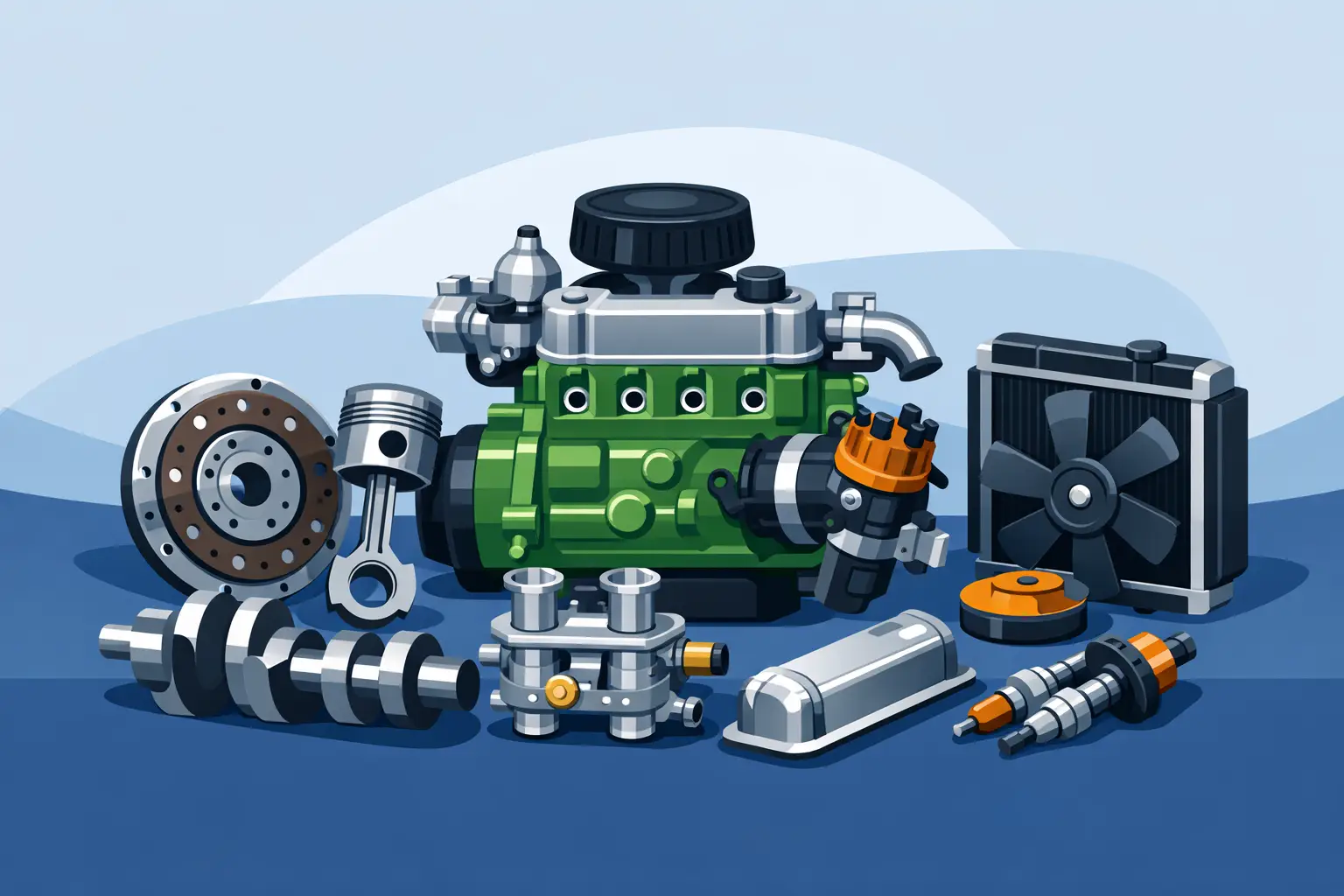
Bottom-end parts deserve careful attention on any rebuild. Main bearings, big end bearings and thrust washers are all small components with a big say in oil pressure, crank stability and long-term reliability. Thrust washer wear, in particular, is a known weak point on A-Series engines, so excessive crank end float should never be ignored.
Higher up the engine, pistons, piston rings and cam followers are common inspection items. If the bores are worn, simply fitting new rings may not give the result you want. Sometimes a light refresh is enough. Sometimes the block needs machining and oversize pistons. It depends on measurements, not guesswork.
The cylinder head is another area where a Mini can lose performance without making a dramatic fuss about it. Valve stem seals, guides, springs and valves all affect how cleanly the engine runs. A tired head can show up as oil consumption, smoky starts, poor idle quality or flat performance. On a standard road Mini, a properly sorted head often delivers more noticeable improvement than chasing bigger modifications.
Classic mini engine parts for reliability first
For most owners, reliability comes before outright power. A Mini that starts cleanly, holds good oil pressure and runs at the right temperature is far more enjoyable than one with a long list of performance parts but poor manners.
If reliability is the goal, start with the basics. A quality gasket set, oil pump, water pump, timing chain kit and service items can transform an engine that feels tired but fundamentally sound. Ignition components matter too, even if they are not always the first thing people think of under engine parts. Plugs, leads, distributor parts or electronic ignition upgrades can cure faults that mimic deeper mechanical trouble.
Cooling should never be treated as separate from engine health. A weak radiator, old hoses or a suspect thermostat can make a decent engine run badly. Likewise, fuelling faults often get blamed on the engine itself when the carburettor, needle choice or filters are the real issue.
There is also the question of original style versus uprated components. Standard-spec parts are often the right answer for a road car that sees regular use. They keep the car easy to maintain and usually match the character of the Mini well. Uprated parts can make sense, but only where they solve a real problem. A heavy-duty timing chain or improved gasket can be worthwhile. Going too far on a mild road build can add cost without giving much back.
Choosing engine parts for a rebuild
A proper rebuild needs more than a box of new components. It needs a clear plan. Before ordering classic mini engine parts, decide whether you are carrying out a basic refresh, a full standard rebuild or a performance build. Those are three very different jobs, and buying without that plan often leads to duplicate orders and mismatched parts.
A refresh usually covers seals, gaskets, timing components, service parts and whatever has clearly failed. It suits engines with decent compression, acceptable oil pressure and no serious bottom-end noise. A full rebuild goes further, with bearings, pistons, oil pump, camshaft considerations and machining checks. A performance build adds another layer again, where cam choice, head work, carburetion, exhaust flow and compression ratio must all work together.
This is where fitment accuracy really matters. Classic Minis span different engine capacities and many years of production changes. Not every component fits every block, head or ancillary setup. Engine number, capacity and the exact specification of the car all help narrow the right choice. That matters even more on cars that have already been modified, because what is fitted now may not be what left the factory.
When in doubt, it is better to verify first than force a part to fit. The wrong water pump, the wrong gasket profile or the wrong clutch-side component can quickly hold up a job that should have been simple.
Standard or upgraded classic mini engine parts?
This depends on how the Mini is used. A weekend cruiser, a restored original and a fast-road car all want slightly different things.
For a standard or near-standard Mini, quality replacement parts are usually the smart route. They preserve drivability, keep maintenance straightforward and tend to offer the best value. There is no point fitting a lumpy camshaft to a car that spends most of its life in traffic and never sees the top end of the rev range.
For fast-road use, selected upgrades can improve both performance and durability. A better camshaft, stronger valve train components, improved timing gear and a suitable gasket set can all support a well-matched build. But upgrades must be balanced. Fit a hotter cam without addressing fuelling or head flow, and the result can be disappointing. Add compression without proper cooling and ignition setup, and reliability suffers.
Motorsport engines are a different conversation again. They need parts chosen around sustained high revs, stricter maintenance intervals and the reality that competition use shortens service life. Parts that work brilliantly in a sprint or race Mini may be a poor fit for a road car that needs easy cold starts and long service intervals.
Common mistakes when buying engine parts
One of the most common mistakes is replacing only the failed part and ignoring the wear around it. If a timing chain has stretched badly, look at the sprockets too. If the head is off for gasket failure, check flatness and inspect the cooling system. If oil pressure is poor, do not assume thicker oil is the cure.
Another mistake is buying by description alone. “Fits Mini” is not enough. You need to know the engine size, the likely age of the unit, and whether previous owners have changed anything important. Minis have often been rebuilt, swapped or upgraded over the years, so assumptions can be expensive.
Price-only buying can also backfire. There is always a balance between budget and quality, but cheap internal engine parts can become costly very quickly if they fail early or fit poorly. On labour-heavy jobs, it usually makes sense to fit dependable components while the engine is apart.
Finally, many owners underestimate how useful it is to source parts from a specialist. A proper Classic Mini parts supplier understands the oddities of these cars in a way general motor factors rarely do. That can mean fewer mistakes, better fitment and less time spent returning unsuitable parts.
Building a sensible parts list
If the engine is coming out, think in assemblies. Bottom end, top end, timing, cooling, ignition and fuelling. That approach usually exposes the extra items that are easy to miss, such as seals, fasteners, hoses and clips. It also helps avoid the all-too-familiar problem of one missing small part keeping the whole car off the road.
For many owners, the most cost-effective route is to combine core replacement parts with a few well-judged upgrades. A dependable gasket set, fresh bearings, a checked oil pump and sound cooling components form the backbone of a good road engine. From there, any improvements should reflect how you actually use the car, not just what looks appealing on paper.
Bull Motif Mini Spares is built around that practical approach – helping owners source the right parts for the job rather than a pile of maybes.
A Classic Mini engine rewards careful choices. Buy with a clear plan, match parts to the way the car is used, and you end up with something far better than a rebuilt engine on paper – you end up with a Mini you can trust every time you turn the key.