A Classic Mini rarely needs just one part. A worn wheel bearing can expose tired hubs, aged seals and brake components that have seen better days. A small rust repair can reveal a previous patch over corroded metal. That is why choosing the right Mini parts is less about filling a basket and more about understanding the system you are working on.
Whether you are maintaining a usable weekend car, rebuilding a shell or preparing a Mini for spirited road use, good results start with the correct fitment, sensible parts choices and a clear plan. The cheapest option is not always poor, and the most expensive option is not always necessary. The right choice depends on how the car will be used and how far the job is being taken.
Start with the job, not the catalogue
It is tempting to order parts as soon as a fault appears. Before doing so, inspect the surrounding area and decide whether you are carrying out a repair, a refresh or a full rebuild. Replacing a leaking radiator hose, for example, may be a straightforward repair. If the cooling system is already drained and the car has an old radiator, tired fan belt and questionable thermostat, it can make sense to address those items together.
The same principle applies underneath the car. A knocking front end might be a worn ball joint, but it is worth checking bushes, tie bars, suspension cones, dampers, wheel bearings and the condition of the subframe mounts while access is easy. Doing the work once is usually better value than stripping the same area twice.
Keep a written list of what is worn, what is unsafe and what can wait. Split it into three priorities: parts needed to make the car safe and roadworthy, parts needed to make it reliable, and parts that improve appearance or performance. This stops a sensible service becoming an uncontrolled project – unless a full rebuild was the plan in the first place.
Mini parts and fitment: the details matter
Classic Minis changed throughout their production life. Engine sizes, brake arrangements, wheel fitments, electrical systems, door furniture and trim details can differ significantly between cars that look very similar at first glance. Previous owners may also have fitted later components, conversion kits or performance upgrades.
Check the specification of the car in front of you rather than relying only on its registration year. Measure where necessary, compare the existing part and make a note of any non-standard work. This is especially useful when ordering brake components, clutch parts, exhaust systems, ignition items and suspension hardware.
A few common fitment checks save a lot of frustration:
- Confirm whether the car uses a pre-verto or verto clutch setup before ordering clutch components.
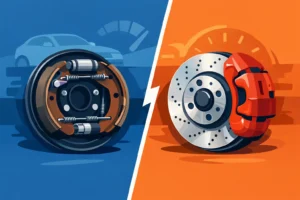
- Identify the brake setup properly, including drum or disc arrangement, caliper type and wheel cylinder size.
- Check wheel diameter, stud pattern and clearance before choosing wheels, tyres or brake upgrades.
- Match exhaust parts to the engine, manifold and rear subframe arrangement already fitted.
- For body repairs, inspect the panel edges and inner structure, not only the visible rust.
With body panels, the quality of the pressing matters. A cheap repair panel that needs extensive cutting, reshaping and filling can quickly become a false economy. British Motor Heritage panels are often the sensible choice for structural or highly visible areas where accurate shape, strength and fit can save substantial time during restoration.
Service items are the foundation of a reliable Mini
A Mini that is driven regularly benefits more from routine attention than from a long list of shiny upgrades. Oil, filters, ignition components, coolant hoses, belts, brake fluid and grease are modest purchases that protect much more expensive parts.
Engine oil choice should suit the engine specification and condition. Many A-series engines share engine oil with the gearbox, so the oil is working hard. A tired road engine, a freshly built unit and a performance motor may have different needs. If you are unsure, consider the engine builder’s advice, the gearbox condition and how the car is used rather than selecting oil by brand name alone.
Cooling deserves equal attention. Minis have limited space under the bonnet and little tolerance for a neglected cooling system in traffic. Check the radiator core, cap, hoses, thermostat, water pump and fan arrangement as a group. If overheating is intermittent, do not assume a larger radiator is the first answer. A blocked core, incorrect timing, poor mixture, trapped air or a failing cap can all produce similar symptoms.
Brakes should be approached with no shortcuts. Renew worn friction material, perished flexi hoses and leaking cylinders or calipers as required, then inspect the hard lines and mounting points. After any brake work, bleed the system carefully and carry out a proper road test in a safe area before returning the car to normal use.
Restoration parts: repair the structure before the finish
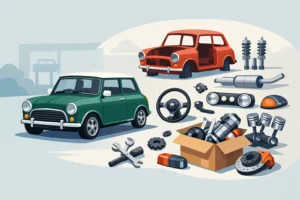
A fresh coat of paint cannot make a weak shell sound. On a Classic Mini, corrosion often starts where water and dirt collect: sills, floors, scuttle corners, door steps, rear valance areas, inner wings, subframes and suspension mounting points all deserve close inspection.
Start with the shell’s structural condition and work from the inside out. Repair panels need sound metal around them, correct alignment and proper protection once fitted. Treating only the outside of a repair leaves the hidden face vulnerable, so use suitable seam sealer, primer, paint and cavity protection as the job progresses.
Panel replacement can affect door gaps, front panel alignment and the way the car sits on its subframes. Trial-fit adjoining pieces before final welding where possible. This takes longer at the bench but is far easier than correcting a misaligned front end after paint.
Interior trim is usually best left until welding, paint and major mechanical work are complete. Seats, carpets, headlinings and door cards can be damaged quickly by grinding dust, damp or repeated fitting and removal. When the cabin is ready, fitting fresh seals, clips and hardware alongside the visible trim gives a neater, longer-lasting result.
Choose upgrades that suit the car
The best Classic Mini upgrades make the car more enjoyable without creating new weaknesses. A mildly tuned road engine may benefit from better breathing, a sensible exhaust and accurate ignition timing. It does not automatically need the most aggressive camshaft, loudest system or largest carburettor available.
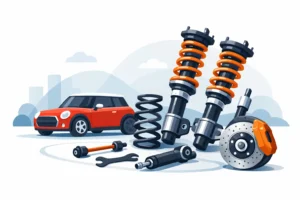
Suspension upgrades need the same restraint. New cones, quality dampers and correctly adjusted ride height can transform a tired Mini. Adjustable tie bars, uprated bushes and anti-roll bars may be useful, but their value depends on how the car is driven. A fast-road car, a track-focused Mini and a standard touring car should not all be set up alike.
Think about the package rather than isolated components. More power puts greater demand on cooling, braking, clutch operation and drivetrain condition. Wider wheels can improve stance and grip but may affect steering weight, clearance and ride quality. Lowering the car can sharpen its appearance while reducing practical ground clearance on ordinary British roads.
Build an order around the work on the bench
Ordering in stages is often the most practical route. Buy the essential components for the job, plus the seals, gaskets, clips, fasteners and consumables that are difficult to reuse. There is nothing more frustrating than having a rebuilt hub, carburettor or door ready to refit and discovering that a small retaining clip has stopped the job.
At the same time, avoid buying every possible upgrade months before it is needed. Project plans change once a car is stripped down. Keeping purchases tied to confirmed work helps control budget and reduces the chance of ordering parts that no longer suit the build.
For owners who want to source service items, restoration panels, performance components and finishing pieces from one specialist stock range, Bull Motif Mini Spares makes it easier to organise a job by the system being repaired. Having a clear parts list before ordering also makes it easier to check that the small but essential items have not been missed.
Keep records as carefully as you keep receipts
Record part numbers, service dates, fluid types, torque settings and any changes from standard specification. This is useful when diagnosing a later fault, ordering replacement items and explaining the car’s setup to a workshop. It also adds confidence for the next owner if the Mini is ever sold.
Photographs are equally worthwhile during restoration. Take them before dismantling, during repairs and before components are covered by trim or paint. A photo of cable routing, brake pipe clips or subframe mounting positions can save hours of guesswork later.
A well-sorted Mini is built through hundreds of sensible decisions, not one large order. Buy parts that fit the car, suit the intended use and allow the work to be completed properly. The result is a Mini that feels right on the road, is easier to maintain, and gives you a proper reason to take the long way home.